The Pioneer Chore List: 12 Real Jobs a 6-Year-Old Can Actually Do
Not so long ago, a six-year-old wasn’t considered too little to help.
Children had real jobs. They gathered eggs, helped in the garden, carried kindling, washed dishes, cared for animals, and helped with younger siblings. What they did depended on their age, where they lived, and their family’s circumstances, but children were often an important part of keeping a household running.
Their work mattered.
I think sometimes we have lost a little of that.
As parents, it is easy to underestimate what our children can do. Sometimes we step in because watching a six-year-old complete a job can be painfully slow.
I can sweep the floor faster.
I can fold the laundry faster.
And I can definitely make bread faster by myself.
But faster isn’t always better.
When we constantly step in and do things for our children, we can unintentionally take away opportunities for them to discover something important:
I can do hard things. I can learn. I can help. My family needs me.
Pioneer children learned many of these lessons simply because everyday life required their help.
Our children don’t need to haul buckets of water from a stream or spend an afternoon churning butter to learn those same lessons. We can create opportunities right where we are.
And sometimes it begins with something as simple as handing a six-year-old a broom.
Please read our Disclaimer and Terms & Conditions
Why Give a 6-Year-Old Real Responsibilities?
I believe children need real responsibilities—not just busywork we invent to keep them occupied.
There are a few reasons this has become important to me.
Work Builds Confidence
We can tell our children, “You can do hard things,” all day long.
But there is something different about watching them struggle with something, figure it out, and finally realize:
I did that myself.
Confidence grows through experience.
When children are given age-appropriate responsibilities, they begin to see themselves as capable. They learn that they don’t always need someone to step in and do things for them.
One of our jobs as parents is to gradually prepare our children to live without us doing everything for them.
That starts much younger than we sometimes realize.
Work Gives Children a Place in the Family
This one is more personal opinion than anything else, but I believe children need to know they are needed.
There is a difference between telling a child, “Go do this because I said so,” and saying, “I need your help. This is your job, and it matters.”
I have noticed this with my own daughter.
When she understands why I need her help and knows her contribution actually makes a difference, she is often much more willing to do it.
So I try to thank her.
I try to tell her when something she did genuinely helped me.
“Thank you for feeding the animals. That saved me time this morning.”
“Thank you for helping with the dishes. Now we can move on to something else together.”
They aren’t meaningless chores anymore.
She contributed to our family.
Work Teaches Skills
This one requires patience.
Will dinner take longer when your child helps cook?
100%.
Will laundry take longer when you’re teaching a six-year-old how to fold it?
Absolutely.
Sometimes you may look at the crooked pile of towels and desperately want to refold every single one.
But we’re not just trying to finish the laundry.
We’re teaching a person.
If we can slow down enough to let our children work beside us, we give them opportunities to discover skills, interests, and even talents they may not have found otherwise.
I believe God has given each of us gifts. Part of discovering those gifts is trying things, working, failing, learning, and trying again.
And something else happens along the way.
We grow beside them.
Learning and growing were never meant to be completely individual efforts. We help our children, and sometimes our children help us too.
So what can a six-year-old actually do?
Quite a bit.
The Pioneer Chore List: 12 Real Jobs for Kids
These aren’t meant to be 12 chores you suddenly hand your child tomorrow morning.
Please don’t do that to yourself—or your six-year-old.
Think of this as a list of possibilities. Choose what fits your child, your home, and your family’s life.
Around the Home
1. Sweep the Floor
Floors needed sweeping in pioneer homes, and they certainly still need sweeping in mine.
After meals, baking, or cooking, hand your little helper a broom.
Don’t expect perfection. Teach them how to work from one side of the room to the other, how to gather everything into a pile, and eventually how to use a dustpan.
It’s simple, but they’re learning to notice a mess and do something about it.
2. Fold and Put Away Laundry
Laundry looked very different generations ago, but sorting, folding, and putting clothing away are still useful skills.
A younger child can match socks and fold washcloths. As they improve, teach them to fold shirts, pants, and eventually an entire load.
They can also help put dirty clothes into the washer, move clean clothes into the dryer, or hang things to dry.
And yes, their folded towels may look terrible at first.
That’s okay.
3. Wash and Dry Dishes
We don’t use a dishwasher in our house, so this is a very real job.
Children can start by rinsing dishes, drying them, putting away safe items, or washing easier dishes themselves.
Will you occasionally pick up a “clean” plate and discover there is still food stuck to it?
Probably.
Hand it back and show them what they missed.
That’s part of learning.
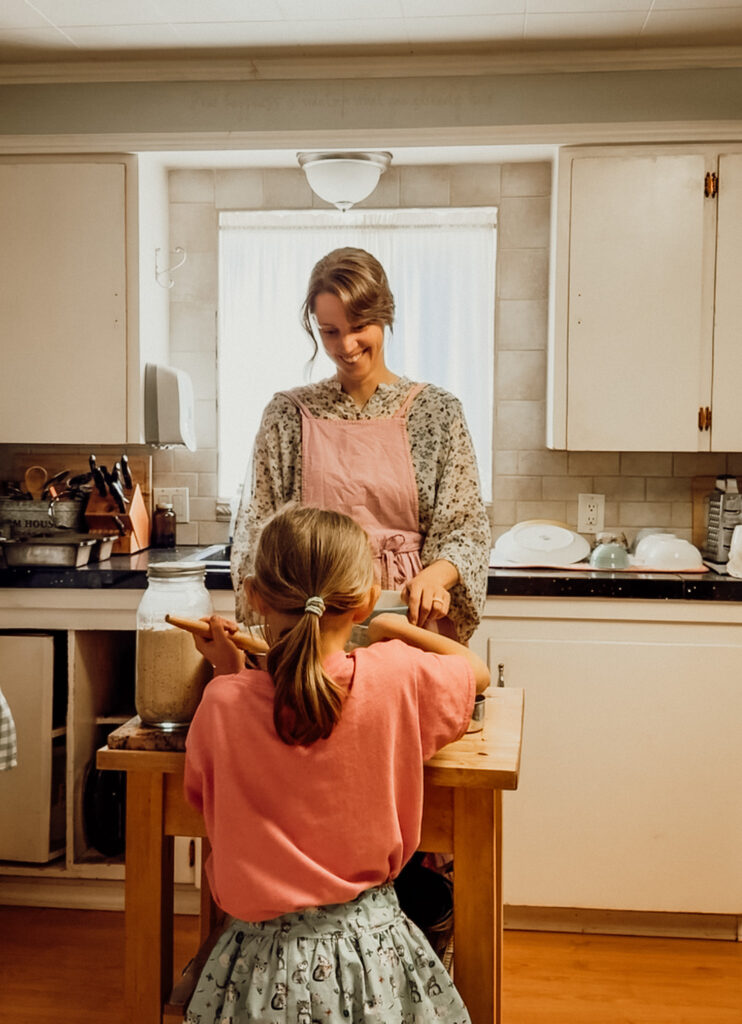
4. Help Make Bread
This is one of my favorites because there are so many things a child can learn while making bread.
Let them scoop flour, measure ingredients, stir, knead dough, grease the pan, or shape their own little loaf.
They’re learning how to prepare food, but they’re also practicing measuring, fractions, following directions, patience, and even a little science without necessarily realizing it.
And there is something special about eating bread and knowing your own hands helped make it.
Around the Homestead
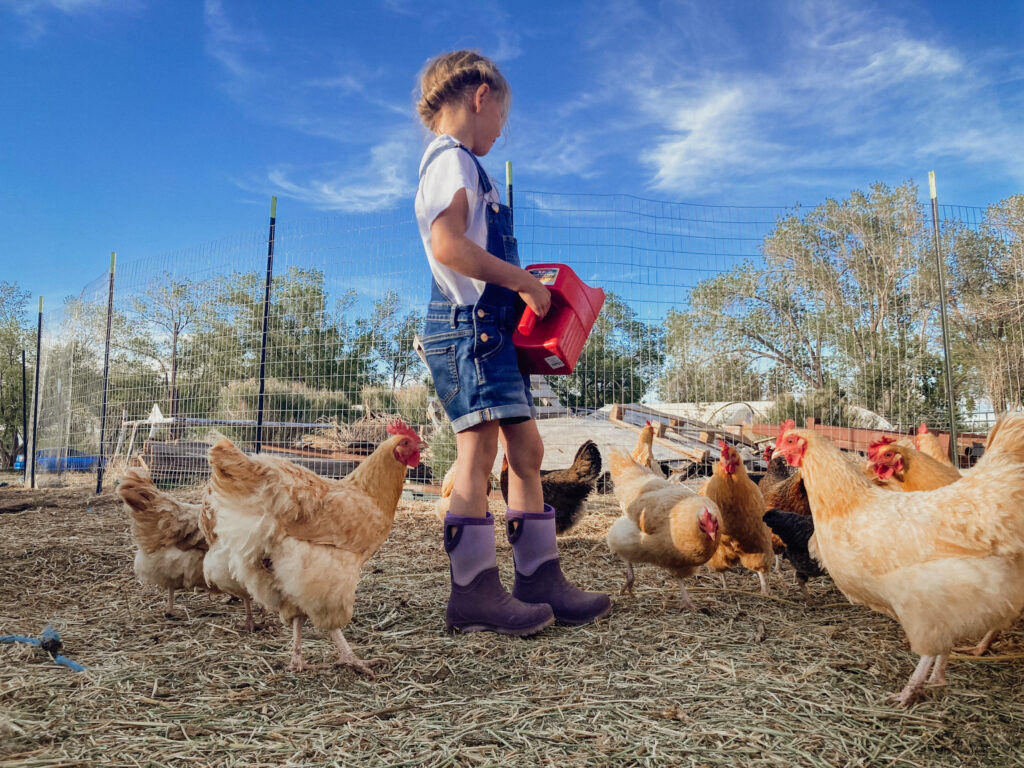
You don’t need a homestead for most of these, but if you have animals or a garden, there are plenty of real jobs little hands can do.
5. Gather Eggs
This is always a fun one.
Give them a small basket and teach them how to gather eggs gently.
There is immediate meaning behind this job. Those eggs aren’t pretend work. They may become breakfast tomorrow morning.
6. Water the Garden
Give your child a small watering can and a section of the garden to care for.
If you don’t have a garden, give them responsibility for a houseplant or pot of herbs.
Set a routine and teach them how to tell whether the soil actually needs water.
Over time, they get to see something grow partly because they cared for it.
7. Help Feed the Animals
Animal care is a wonderful way to teach responsibility because animals don’t particularly care whether we feel like doing chores that morning.
They still need food.
Young children can help check water, carry small amounts of feed, fill the dog’s bowl, gather hay, or tag along while an adult does the larger chores.
Choose jobs that are safe for your child’s age and always supervise young children around livestock.
The lesson is simple:
Something depends on me, so I show up.
8. Gather Kindling
For pioneer families, gathering fuel could be an important part of preparing for cooking and cold weather.
If you heat with wood, children can help collect small, dry sticks and stack kindling for later.
If you don’t, adapt the idea.
Have them gather fallen sticks from the yard, pull weeds, pick up trash, or help prepare the yard for winter.
The exact job isn’t the important part.
They’re learning to look ahead and help prepare for what their family will need.
Learning to Be Resourceful
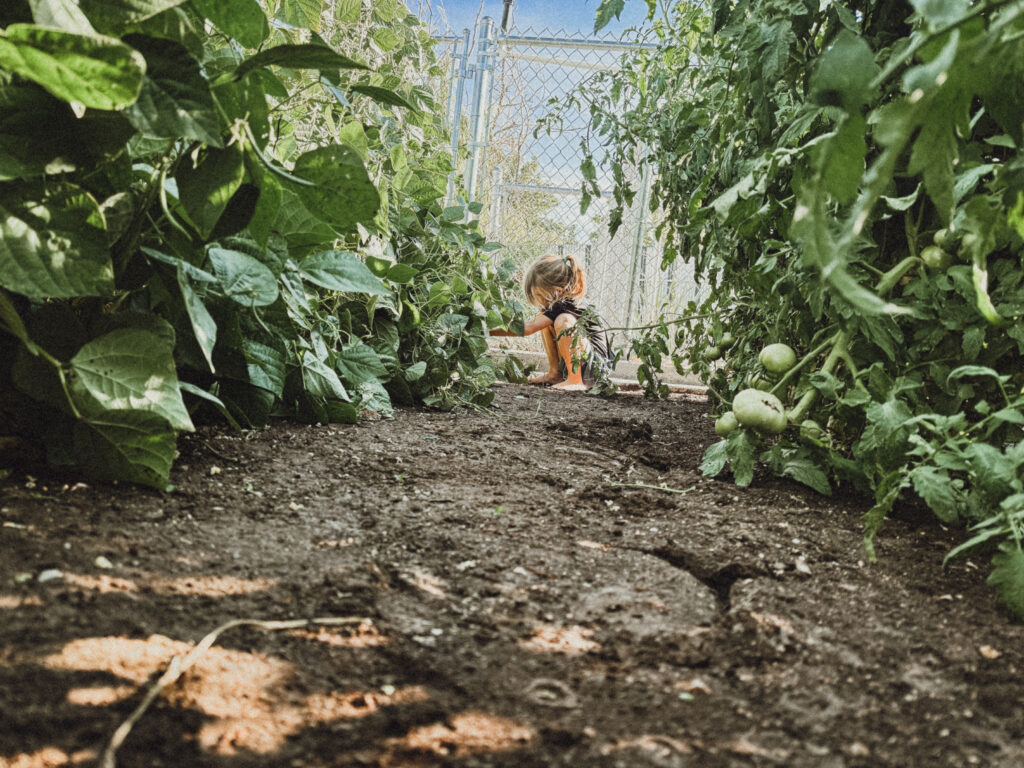
9. Shell Peas or Snap Beans
Harvest doesn’t end when you pick something from the garden.
There is still work to do before that food reaches the table or pantry.
Let children shell peas, snap beans, husk corn, wash vegetables, or help sort produce.
These are wonderful jobs to do together because your hands are busy, you’re sitting beside each other, and conversations seem to happen naturally.
10. Save Seeds for Next Year’s Garden
Instead of throwing everything away at the end of the growing season, show your child how some seeds can be collected and saved for next year.
Let them help gather, dry, sort, and label them.
There is something beautiful about a child holding a tiny seed and understanding:
This can become next year’s food.
That’s resourcefulness.
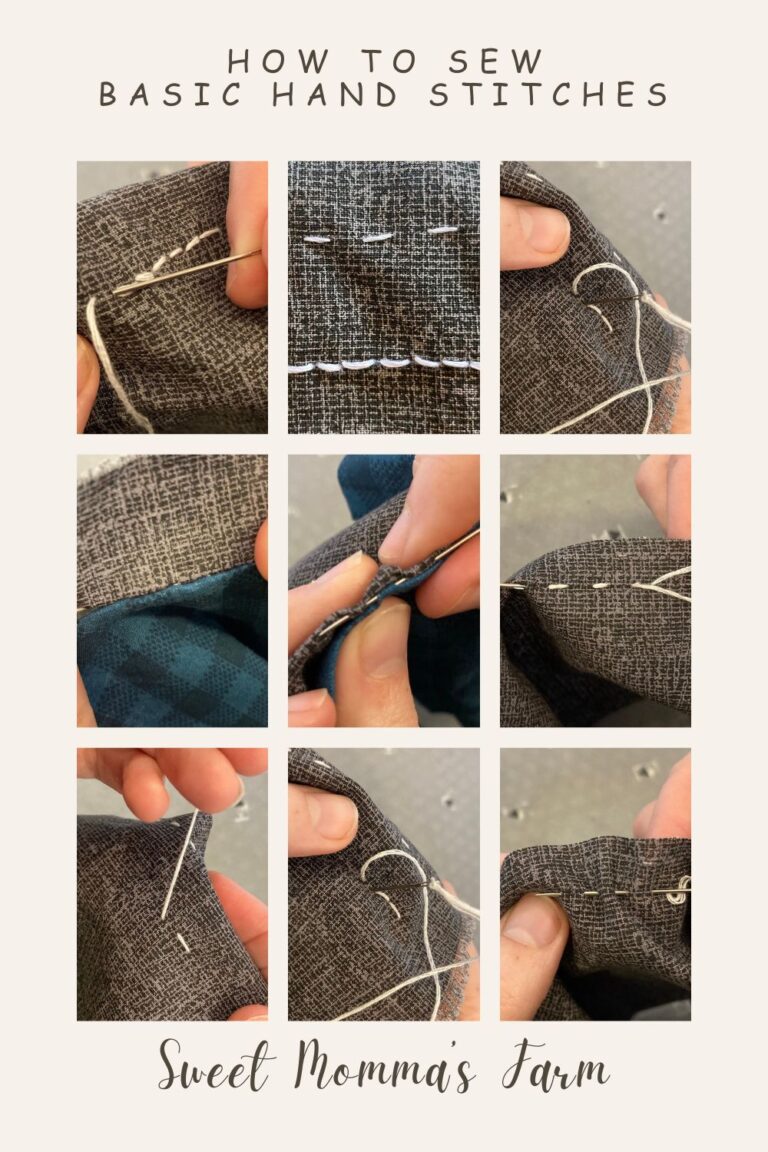
11. Learn a Simple Sewing Skill
Sewing used to be an everyday skill in many homes. Today, even basic hand sewing can feel unusual.
Give your child some scrap fabric, a child-appropriate needle, and thread.
Teach one simple stitch.
Don’t worry about making it perfect. Let them experiment. Let them make something strange. Let them figure out what happens when the thread gets tangled.
Eventually, teach them how to sew on a button or repair a small tear.
The goal isn’t perfect stitches at six years old.
It’s planting the idea: When something breaks, maybe I can fix it.
12. Care for Someone Else
I wanted to include this one because work isn’t only about completing physical chores.
Children can learn to notice people too.
Ask your child:
“Who in our family could use some help today?”
Maybe they read a book to a younger sibling, draw a picture for someone having a hard day, help Mom carry something, bring Dad a drink, or help a sibling clean up.
We want capable children.
But I also want capable children who are kind enough to use those abilities to help someone else.
But What If My Child Doesn’t Want to Do Chores?
Then your child is probably a lot like mine.
There are days my daughter doesn’t want to do her work either.
Teaching children how to work is a process. It is still a process in our home, and I don’t think every chore needs to become a game or come with a prize.
Sometimes work is simply work.
But especially when children are learning, I have found it helps to start beside them.
Don’t just say, “Go clean that.”
Show them.
Do it together.
Talk while you work. Listen to them. Teach them how you do it and why.
After doing it together several times, help a little less.
Then a little less.
Eventually, step away.
A few things I try to remember:
- Give them a job they can actually complete.
- Expect imperfect results.
- Stay patient while they learn.
- Resist the urge to immediately redo their work.
- Tell them specifically how their work helped the family.
- Follow through when responsibilities aren’t completed.
That last one matters too.
If my daughter wants to go play with friends but hasn’t finished something she is responsible for, the responsibility comes first.
I’m not trying to punish her.
I’m teaching her that we take care of what needs to be done before moving on to what we want to do.
And I have noticed that when I consistently do these things, over time she becomes much more willing—and much more capable.
You Don’t Need a Homestead to Raise Capable Children
Maybe you read “pioneer chores” and think:
Well, that’s great, but I don’t have chickens.
You don’t need them.
You don’t need sheep, a garden, a woodstove, acreage, or an old farmhouse.
Every family has work that needs to be done.
There are dishes to wash.
Food to prepare.
Laundry to fold.
People to care for.
Things to clean.
So if you’re a tired parent who feels like you’re carrying everything yourself, perhaps the answer isn’t doing more.
Maybe it’s beginning to teach your children how to carry a little piece of it with you.
It will probably take longer at first.
There will be trial and error.
But you aren’t simply getting today’s work done.
You’re teaching tomorrow’s adult.
The goal isn’t to recreate pioneer life.
It’s to preserve some of what that kind of life naturally taught: responsibility, resourcefulness, service, useful skills, and the confidence that comes from knowing how to do hard things.
Trust your children with opportunities to learn.
They may surprise you with how much they can do.
Raising Children Who Know They Can
I don’t want my daughter to grow up simply being told she is capable.
I want her to know she is capable because she has done things herself.
Because she has struggled.
Because something didn’t work the first time and she tried again.
Because she has cared for animals that depended on her.
Because she has made food with her own hands.
Because she has helped someone who needed her.
Because she knows what it feels like to contribute to a family.
That is one of the reasons the old skills matter so much to me.
I want the next generation to know how to work with their hands, solve problems, take responsibility, serve others, and keep going when something is difficult.
And I want them to have opportunities to learn these things while working alongside their families and spending time in God’s creation.
We don’t have to give our children a pioneer childhood to give them some of the lessons pioneer life taught.
Start small.
Choose one chore from this list this week.
Do it beside your child. Teach them how. Let them make mistakes. Let them practice.
Then give them time to become good at it before adding another.
Little by little, we’re not simply checking chores off a list.
We’re raising children who can look at something difficult and think:
I don’t know how to do that yet. But I can learn.
And that may be one of the most useful skills we can give them.
Let me know how it goes. What is one real job your child already helps with at home?